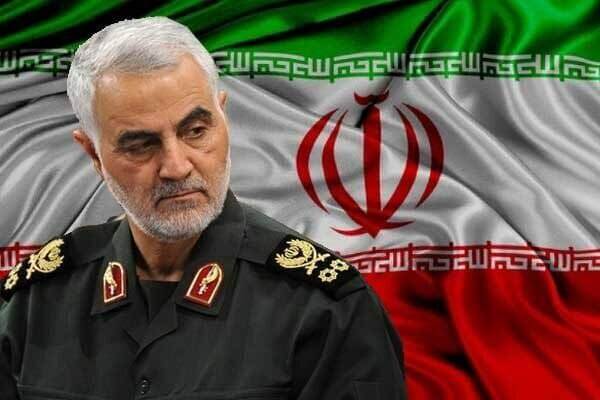
Soleimani's Daughter Vows Revenge, Blames "Crazy Trump"
In the aftermath of a targeted U.S. airstrike that killed Iranian General Qasem Soleimani, the Middle East plunged into a new era of heightened tensions. Amidst the somber yet defiant atmosphere of her father's funeral, Zeinab Soleimani, the daughter of the slain commander, delivered a powerful and chilling address. Her remarks, broadcast globally, not only promised severe vengeance for her father's death but also directly threatened American soldiers and their families, explicitly blaming "Crazy Trump" for the lethal action.
Zeinab Soleimani’s speech galvanized an already emotionally charged crowd, reflecting the Iranian regime's intent to leverage the tragedy for national unity and regional solidarity against perceived adversaries. Her words underscore the profound ripple effects of the strike, signaling a continued commitment to resistance and a potential escalation of proxy conflicts across the globe. This article delves into the specifics of her pronouncements, the geopolitical landscape they signify, and the broader implications for international security.
The Roar of Vengeance: Soleimani Daughter's Fiery Speech
Speaking before thousands gathered for her father’s funeral procession, Zeinab Soleimani’s address was a potent mix of grief and resolute defiance. On behalf of her family and, implicitly, the Iranian state, she issued a stark warning to the United States and its allies. "The US and Zionism must know that my father’s martyrdom will further awaken people in the axis of resistance and will tear down their spider nests," she declared, according to reports from Iranian news agencies like Tasnim.
Her most direct and unsettling threat was aimed squarely at American military personnel. She ominously warned that "the families of American troops in West Asia... will be awaiting the news of death of their children." This direct targeting of families represents a significant escalation in rhetoric, aiming to instill fear and psychological pressure on the adversary. She didn't mince words regarding President Donald Trump, whom she branded "Crazy Trump," asserting, "don’t think that everything is over with my father’s martyrdom." She further stated, "Mr. Trump, the gambler! Families of American soldiers must spend their days waiting for their deaths and corpses." These statements, initially omitted by some Iranian state media in English coverage, were later reported by outlets like Al-Arabiya and the Tehran Times, highlighting the varying degrees of transparency in state-controlled narratives.
Unpacking the "Axis of Resistance" and Regional Ambitions
Qasem Soleimani was not merely a military leader; he was the architect of Iran's regional foreign policy through the Islamic Revolutionary Guard Corps’ (IRGC) Quds Force. This elite, extraterritorial arm was responsible for projecting Iranian power and influence, fostering alliances, and conducting covert operations across the Middle East and beyond. Under Soleimani's leadership, the Quds Force significantly expanded its reach into countries like Syria, Yemen, and Lebanon, and was widely believed to have cultivated terrorist networks even in Latin America.
Zeinab Soleimani's speech echoed her father's legacy by invoking the "Axis of Resistance," a network of Iranian-backed militant groups and political entities strategically arrayed against perceived U.S. and Israeli interests. She explicitly named several key figures she expected to help avenge her father's death:
- Seyed Hassan Nasrallah: Secretary-General of Lebanon’s Hezbollah resistance movement.
- Bashar al-Assad: Syrian President.
- Ismail Haniyeh: Hamas leader.
- Ziyad al-Nakhalah: Palestinian Islamic Jihad leader.
- Abdul-Malik Badreddin al-Houthi: Leader of Yemen’s Houthi Ansarullah movement.
This enumeration of leaders underscores the interconnected nature of Iran's regional strategy and the potential for a coordinated response across multiple fronts. Her call effectively served as a rallying cry to these groups, signaling the regime’s expectation of continued, perhaps intensified, collaboration. For a deeper dive into this intricate network, explore Iran's "Axis of Resistance": Zeinab Soleimani's Global Message.
Geopolitical Fallout: Trump's Strike and the PMF Dynamics
The U.S. airstrike that killed Qasem Soleimani in Baghdad also eliminated Abu Mahdi al-Muhandis, the founder of the Hezbollah Brigades. This jihadist militia, though legally integrated into the Iraqi armed forces, remained a staunchly pro-Iranian entity. The Hezbollah Brigades are a prominent component of the Popular Mobilization Forces (PMF), a coalition of largely Shiite, pro-Iranian groups that initially formed to combat the Islamic State.
Following the defeat of ISIS in major strongholds like Mosul, the PMF’s objectives shifted. Instead of maintaining their focus solely on internal security, many PMF factions began redirecting their efforts against the U.S. military presence in Iraq, despite previously sharing a common enemy in ISIS. Zeinab Soleimani's speech skillfully played into these dynamics, particularly her assertion that "Your vicious plots to divide Iran and Iraq have created a historic bond between the two nations." This statement aimed to solidify Iraqi Shiite support for Iran and against the U.S., framing the U.S. presence as an occupation rather than an alliance. The incident ignited a furious debate in Iraq over the presence of foreign troops, further complicating the already volatile political landscape.
Beyond the Headlines: Fact-Checking and Disinformation
Amidst the outpouring of grief, anger, and threats following Soleimani's death, a peculiar claim began circulating: that Zeinab Soleimani herself held U.S. citizenship. This assertion gained traction on social media, particularly before platforms like Instagram took action to delete accounts spreading such unsupported claims. It's crucial to approach such high-stakes geopolitical events with a critical eye, as misinformation can easily proliferate and further inflame tensions.
Upon investigation, no credible evidence emerged to substantiate the claim that Zeinab Soleimani is a U.S. citizen. U.S. Citizenship and Immigration Services, citing policy, did not confirm or deny individual citizenship cases, but independent fact-checking found no basis for the viral rumor. This episode serves as a stark reminder of the challenges of discerning truth from fiction in the digital age, especially when powerful narratives are being crafted and disseminated by various actors. For more details on these debunked claims, refer to Zeinab Soleimani US Citizenship Claims: What the Evidence Shows. Always consider the source and look for corroborating evidence when consuming news during periods of crisis.
The Power of Rhetoric: Analyzing Zeinab Soleimani's Impact
The speech by Zeinab Soleimani was not merely an emotional outburst; it was a calculated act of political communication. As the Soleimani Daughter, her voice carried immense symbolic weight, transforming personal grief into a collective call for retribution. Her choice of language, invoking concepts like "martyrdom" and the "axis of resistance," was designed to:
- Mobilize internal support: Consolidate national unity around the regime by portraying her father as a national hero and the U.S. as an aggressor.
- Galvanize regional allies: Reaffirm commitment to the "Axis of Resistance" and encourage its constituent groups to remain steadfast and potentially active.
- Intimidate adversaries: Send a clear message of deterrence and warning to the U.S. and Israel, suggesting that the assassination would not end Iran's influence but rather strengthen it.
Her public appearance, particularly given the traditionally more reserved roles of women in Iranian public life, amplified the message's impact, underscoring the extraordinary nature of the circumstances.
Future Implications and Regional Tensions
Zeinab Soleimani’s vows of revenge, delivered with such conviction, cast a long shadow over the future of Middle East security. Her rhetoric contributes directly to the cycle of escalation, making de-escalation a complex and arduous diplomatic challenge. The explicit naming of regional leaders in her speech suggests that any retaliatory actions could extend beyond direct state-on-state confrontation, potentially manifesting through proxy groups in various conflict zones. This heightens the risk of unintended consequences and regional destabilization.
Understanding these dynamics requires a multi-faceted approach:
- Diplomatic Engagement: The need for robust diplomatic channels and de-escalation efforts cannot be overstated. Open lines of communication, even between adversaries, are crucial to preventing miscalculation.
- Regional Stability: The international community must prioritize efforts to stabilize conflict-ridden areas like Iraq, Syria, and Yemen, where proxy conflicts are most likely to flare up.
- Information Literacy: Citizens and policymakers alike must remain vigilant against disinformation campaigns, understanding that state-controlled media often tailors narratives to specific political objectives.
The fiery pronouncements from Soleimani's Daughter were more than just an expression of personal grief; they were a calculated message aimed at regional allies and international adversaries alike. Her vows of revenge against "Crazy Trump" and American forces, coupled with the explicit invocation of the "Axis of Resistance," signal a continued trajectory of confrontation. While misinformation regarding her citizenship surfaced, the core message of retribution resonated globally, underscoring the volatile nature of the Middle East and the complex challenges inherent in navigating its intricate power dynamics. The world continues to watch as the region grapples with the fallout of Soleimani's death and the potential for further escalation.